



Are you responsible for end-of-life management of your lithium-ion batteries, or is it your supplier? David Goss, Technical Director for the UK Material Handling Association, sheds some light on this complex topic.
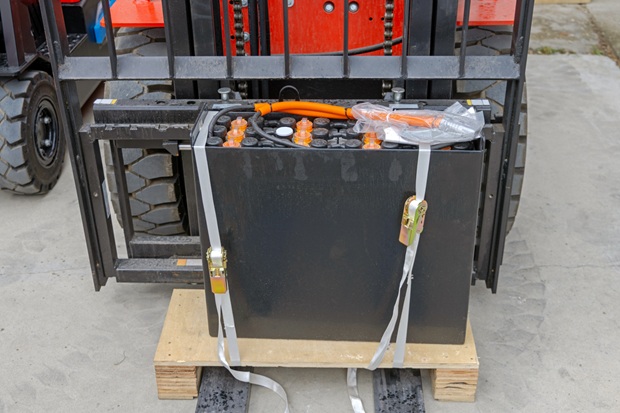 Understanding who is responsible for recycling used lithium-ion forklift truck batteries can be confusing, but it’s important. The law sets out clear responsibilities, and failing to follow them can have legal and financial consequences, not to mention the environmental impact.
Who is the ‘battery producer’?
In UK law, the ‘battery producer’ isn’t necessarily the original manufacturer. Instead, the producer is usually the first company established in the UK to bring (import) the battery or a product containing a battery, like a forklift truck, into the country.
So, if your business imports forklift trucks or batteries directly from overseas – even from the EU – you could be legally classed as the battery producer. That means you are responsible for their recycling. If you’re buying trucks or batteries from a UK-based supplier, then it’s typically that supplier’s job.
Why does this matter?
Proper recycling of lithium-ion batteries is the law. These batteries can be hazardous if they’re not handled correctly.
What are producers expected to do?
- Register as a battery producer with Defra (the Department for Environment, Food & Rural Affairs).
- Keep records and submit annual reports about the batteries you’ve brought to the UK market.
- Accept end-of-life lithium-ion batteries back from customers, free of charge, at a UK address and ensure they are sent to an approved recycling facility.
- Publish clear information outlining the process for returning batteries.
- Work with specialist partners for safe handling, storing and moving used batteries, especially given their fire and safety risks.
Not sure if you’re the producer?
Ask yourself: Did you import the batteries or trucks directly from outside the UK? If so, you are almost certainly the producer. If you purchased everything from a UK-based company, it’s their responsibility instead (so don’t let them push the responsibility onto you!). They must accept end-of-life lithium-ion batteries back from customers, free of charge.
Lithium-ion batteries are more complex and costly to recycle than the lead-acid batteries many in the sector are familiar with. Safe collection and transport is critical, which is why it’s vital to plan ahead and work with trusted recycling partners.
If you have questions about your obligations or need support setting up safe recycling practices, the UK Material Handling Association (UKMHA) provides guidance and advice to members.
For more details, visit the UKMHA website or contact your supplier for help with battery recycling and compliance. www.ukmha.org.uk
Comments are closed.