

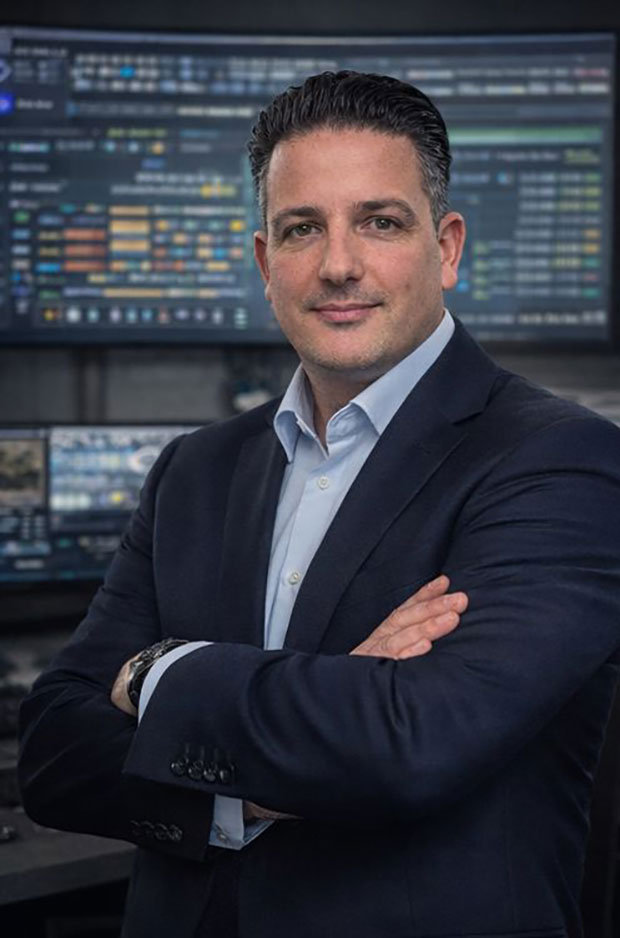
Brendan, what is the focus of the “Lunch & Learn” sessions at Spacemaker’s European Innovation Centre?
The sessions are all about education. We want customers to move beyond theory and really understand, in practical terms, how our 2-way (DualAxis Pro) and 4-way (QuadAxis Pro) pallet shuttle systems work. It’s about giving them a hands-on experience so they can see the benefits for themselves.
 Why is it important for customers to see the systems in action?
When customers experience the system live, it changes their perspective immediately. They can see pallets moving through the structure without forklifts entering the lanes, and that’s when the advantages really click—efficiency, safety, and accuracy all become tangible.
How do these sessions help customers compare traditional storage methods?
We walk them through the limitations of common systems. Wide aisle racking is simple but wastes space. Narrow aisle improves density but still depends on forklifts. Drive-in racking increases density but brings safety risks and potential damage. Pallet live systems improve flow but lack flexibility, and mobile racking maximises footprint but limits access and throughput. Seeing these comparisons side-by-side helps customers understand where improvements can be made.
What makes Spacemaker’s shuttle systems different?
Our shuttle systems remove many of those limitations. The 2-way shuttle automates pallet movement within lanes, while the 4-way shuttle can move both across and along the racking structure. This creates a much more dynamic storage system, reducing or even eliminating aisle space, maximising volume, increasing throughput, and reducing reliance on forklifts.
The design element seems to be a key part of the experience. Can you explain how that works?
Absolutely. During the sessions, we use our design programme to create layouts in real time using the customer’s actual site dimensions. Within minutes, they can see how many additional pallet positions they could achieve, what configuration works best, and how it compares to their current setup. It takes the conversation from concept to something very real and visual.
How does this real-time design impact decision-making?
It’s incredibly powerful. Instead of relying on assumptions or waiting for long design cycles, customers immediately see the difference in capacity and performance. It makes the whole decision-making process much clearer and more tangible.
Safety is a major concern in warehousing. How do your systems address this?
Removing forklifts from storage lanes is a huge step forward. It reduces risk, protects the racking, and creates a more controlled environment. This is particularly important in demanding environments like cold storage, where safety and efficiency are critical.
Your approach seems to prioritise education over selling. Why is that important?
Because informed customers make better decisions. Our goal is to help them understand their current limitations and explore practical improvements. By the end of the session, they’ve seen live demonstrations, compared systems, and have a clear, data-backed view of what’s possible.
How does the European Innovation Centre support this approach?
The centre in Nuneaton gives us the perfect platform. It combines live demonstrations with instant design capability, so customers can both see and understand the potential of modern storage solutions in one visit.
Finally, what impact do you hope these sessions will have on the future of warehouse storage?
We want businesses to rethink how they use their space. By focusing on education and real-world understanding, we’re helping them unlock higher density, improved safety, and greater efficiency. That’s what the future of warehousing should look like.
Comments are closed.