



Every item that rolls through a military installation has a story; from the moment it’s checked in to the day it’s finally retired. Behind the scenes, thousands of items move through intake, storage, use, and eventual disposal every single day. Many assume the process ends once gear reaches a base, but that’s really just the beginning of a much longer journey. The systems keeping track of it all are more complicated than most people realize.
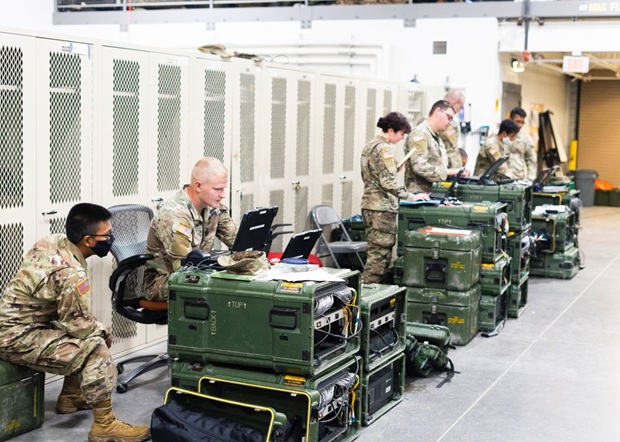 Discover what happens inside a military warehouse, from the first scan of a barcode to the final sale of surplus goods at auction.
The Challenge of Keeping Records Straight
Every inventory manager knows how quickly things can go sideways. Items get misplaced, paperwork lags behind reality, and a single scanning error can throw off counts across an entire facility. These mistakes can compromise operational readiness or delay a mission that depends on having the right equipment in the right place. Multiply that risk across hundreds of thousands of assets spread over multiple sites, and you realize why so many organizations struggle to maintain accurate records.
Asset lifecycle management consultancy firms, including Camcode Global, build their entire service model around fixing these challenges. Their approach to data cleansing, asset identification, and inventory optimization gives government organizations a clearer picture of what they actually have on hand, where it sits, and how well it lines up with reporting standards.
Instead of relying on outdated spreadsheets or manual counts, warehouse teams get a system built to catch errors before they snowball. Being organized and accurate matters because it shapes everything that happens next in the supply chain.
What Moves Through the Door
Every shipment arrives with an intake check, where staff verify quantities, inspect for damage, and log serial numbers into the tracking system. Military provisions make up a huge share of what passes through these doors, everything from packaged rations to spare parts for vehicles.
Clothing and gear take up plenty of space too. You’ll find racks stacked with military clothing, rows of field jackets meant for cold-weather deployments, and specialized weather gear built to handle extreme climates. Training equipment sits alongside all of it, including dummy grenades used to teach handling technique without any real risk.
Once items are logged, they don’t just sit untouched. Staff constantly reorganize inventory to keep frequently requested military gear accessible while slower-moving stock stays out of the way. Moving pallets of ammunition crates or bulky vehicle components by hand isn’t realistic at this scale.
Forklifts and similar equipment handle the heavy lifting, and choosing the right model, whether it’s an indoor electric unit or a rugged outdoor one, makes a noticeable difference in daily efficiency. Get that equipment matching wrong, and an entire operation slows down.
A Growing Need for Tighter Systems
Military logistics haven’t stayed the same since the Second World War, when supply lines relied on paper manifests and manual counts to keep armies fed and equipped. Today’s operations move faster and reach further, and the equipment involved is far more sensitive to track. Agencies such as the U.S. Army and the Geospatial-Intelligence Agency depend on precise location data and asset visibility to plan missions and manage resources across continents.
The scale of this demand keeps climbing. The global military infrastructure and logistics market is set to reach USD$ 56 billion by 2030, from USD$ 49.5 billion in 2023, reflecting the need for more international mobility and rapid deployment among security forces. This growth puts pressure on every facility to operate with fewer errors and faster turnaround times. Systems must promote automated tracking, tighter audits, and closer coordination between military branches and their supply networks.
 When Gear Reaches the End of the Line
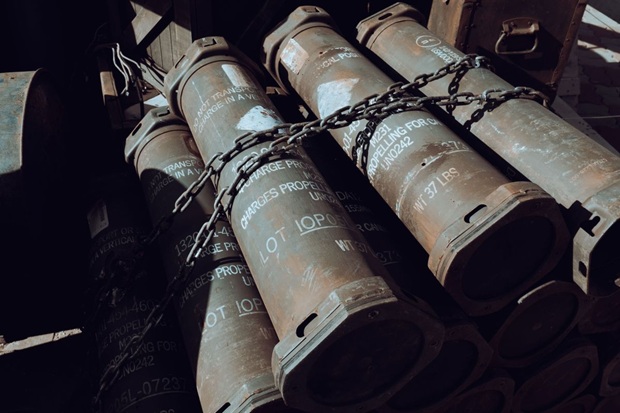
Once gear is deemed obsolete, damaged beyond repair, or surplus, it goes through demilitarization. Such a process strips weapons and sensitive equipment of any functional military capability before release. It also keeps decommissioned hardware from posing any safety or security risk once it leaves government hands. From there, approved items move into the world of Army surplus and military surplus, where civilians can legally purchase them.
Walk into an Army Surplus Warehouse or a similar retail store, and you’ll find shelves loaded with practical, affordable gear. Canvas bags, boots, tools, and cold-weather clothing sit next to smaller items like dog tags, pocket knives, and even brass bibcocks pulled from old field kitchen units.
Collectors and everyday shoppers browse these stores to find durable gear for camping or hunting. Others are drawn to pieces with a bit of history attached, like uniform collar patches from a specific unit or era. Either way, these stores keep old inventory useful instead of letting it collect dust in storage.
From Surplus to Collector’s Item
Military antiques and military collectibles have carved out a dedicated market of their own, with collectors chasing pieces tied to specific conflicts, units, or historical moments. WWII German Militaria remains one of the most sought-after categories, partly because of its historical weight and partly because so few authentic pieces survive in good condition.
Items tied to the Third Reich, including uniforms, medals, and Nazi propaganda posters, draw serious attention from collectors and museums alike, though reputable dealers handle these pieces with historical context rather than glorification.
Finding legitimate Nazi Relics or other wartime pieces takes patience and access to trustworthy militaria resources, since the market has its share of reproductions and misattributed items. Serious collectors turn to a public auction or a specialized auction house to verify provenance before buying. Pieces like combat art created by soldiers during deployment can fetch surprising prices when the history checks out.
The Full Journey, End to End
A single piece of gear might start on a factory floor, move through intake and storage, see active use, and eventually land on a surplus store shelf or inside a display case decades later. That’s the real story behind these operations: a system built to track enormous amounts of material without losing sight of any single item.
Whether you’re managing inventory, buying practical gear, or hunting for a rare piece of history, understanding this process gives you a better appreciation for how much coordination goes into it. So, the next time you spot a canvas coat at a surplus store or a medal at an auction, you’ll never question its value because you know how far it traveled to get there.
Comments are closed.