



While the winter retail rush may be over, many UK warehouses are now facing what Pallet Trucks UK describes as the “post-peak hangover” – the operational strain that lingers long after peak trading has passed.
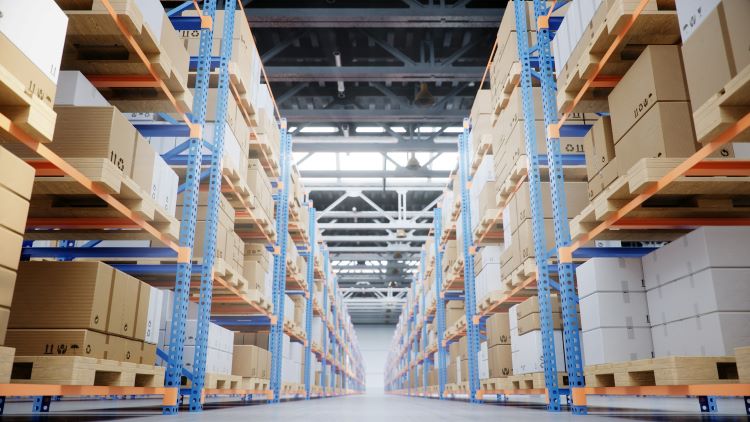 Returns processing, inventory balancing and restocking cycles continue to place heavy demands on fulfilment centres well into the early months of the year, often revealing equipment fatigue and delayed maintenance that built up during the festive surge.
The weeks following peak retail periods are frequently just as demanding as the run-up itself. Large volumes of returned goods must be received, sorted, inspected and redistributed, while warehouses simultaneously work to rebalance stock levels and prepare for the next seasonal cycle. These overlapping tasks create complex internal logistics flows, particularly in facilities where space is limited and equipment has already been pushed to its limits.
During peak trading, pallet trucks and handling equipment are often used continuously across extended shifts, leaving little time for servicing or inspection. As operations return to more typical volumes, underlying issues can begin to surface. Worn wheels, hydraulic wear and general fatigue in high-use equipment can slow pallet movement and create bottlenecks in areas such as goods-in, returns processing and restocking zones.
Many warehouse managers underestimate how much strain peak trading places on core equipment. When the immediate pressure of meeting order deadlines subsides, teams often find themselves dealing with the consequences of months of intensive use.
Phil Chesworth, Managing Director at Pallet Trucks UK, said, “The busiest warehouse period isn’t always peak – it’s the clean-up afterwards. Once the main rush is over, businesses still must deal with returns, stock reorganisation and preparing for the next cycle. That’s often when equipment fatigue becomes obvious.
“Pallet trucks tend to work extremely hard during peak months, often around the clock. If servicing has been delayed or equipment is nearing the end of its working life, those problems tend to appear once the pressure eases and teams start moving stock around again.”
The company advises operators to use the post-peak period as an opportunity to review the condition of manual handling equipment such as pallet trucks, stackers and lift tables, and address maintenance backlogs before activity builds again in spring.
For more information, please visit: www.pallettrucksuk.co.uk.
Comments are closed.