




Maintaining a safe, efficient, and weather-protected loading bay is a priority for warehouses and distribution centres of all sizes. But with several types of loading dock shelters available – each one suited to different vehicles, and performance requirements – how do you decide which is best suited to your operation?
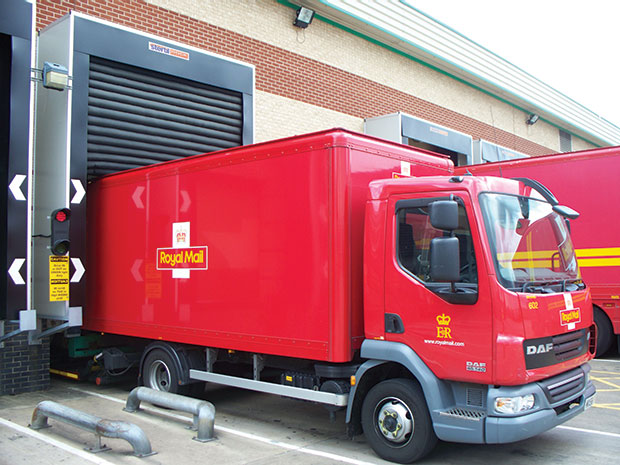
Why Dock Shelters Matter
An effective dock shelter creates a seal around the rear of a vehicle, reducing exposure to wind, rain, and temperature fluctuations. This is particularly important for sites handling sensitive goods, operating in cold-chain environments, or looking to reduce energy loss from open loading bays.
Beyond environmental control, dock shelters also contribute to safety by helping maintain a clear and consistent loading interface. Choosing the right type can have a significant impact on operational efficiency and long-term running costs.
Inflatable Dock Shelters
Inflatable dock shelters use air-filled cushions that expand once a vehicle has reversed into position. These cushions form a tight seal around the trailer, adapting to variations in vehicle size and shape.
The main advantage of inflatable shelters is sealing performance. Because the cushions mould closely to the vehicle, they offer excellent protection against draughts, rain, and temperature loss. This makes them particularly well suited to climate-controlled warehouses, food distribution centres, and pharmaceutical operations where environmental conditions are critical.
While inflatable shelters offer clear performance benefits, the higher initial cost and additional components mean they are often used selectively – typically on priority bays or temperature-controlled loading positions where sealing performance is most critical.
Curtain Dock Shelters
Curtain dock shelters, such as the W-Series from Stertil Dock Products, use flexible fabric curtains mounted to a rigid frame. When a vehicle docks, the curtains are pushed back to create a seal around the trailer.
Curtain shelters are valued for their simplicity and durability. With no powered parts, they are easy to operate and maintain, making them a popular choice for busy sites with high vehicle turnover. They also tend to be more cost-effective upfront and are well suited to operations where a wide range of vehicle sizes use the same bays.
While curtain shelters may not achieve the same airtight seal as inflatable systems, they provide effective weather protection for most standard loading applications.
Key Considerations When Choosing
When deciding between inflatable and curtain dock shelters, several factors should be taken into account:
•Environmental control: Sites requiring tight temperature management may benefit from inflatable systems.
•Throughput: High-traffic operations often value the speed and simplicity of fixed curtain designs.
•Budget and maintenance: Inflatable shelters offer performance benefits but at a higher initial cost.
Finding the Right Balance
When it comes to dock shelters, the right approach is rarely the same for every business. The most suitable option will depend on operational demands, building layout, and long-term objectives.
In practice, many larger warehouses and distribution centres adopt a mixed approach. Curtain dock shelters are often installed across the majority of bays, providing a robust and cost-effective solution for general loading operations. Inflatable dock shelters may then be specified for a smaller number of bays where enhanced sealing is required, such as temperature-controlled, hygiene-critical, or multi-dock applications.
Stertil Dock Products offers both inflatable and curtain dock shelters as part of a wider loading bay equipment range, allowing different shelter types to be specified within the same facility while maintaining compatibility with varying vehicle types and loading requirements.
Comments are closed.