


From lift trucks and telemetry platforms to warehouse management systems and operator assistance technologies, information can be collected constantly across a warehouse operation. However, to turn this data into action, warehouses need an understanding of how all that information fits together.
 As supply chains become more multi-faceted and customer expectations demand quick, accurate turnarounds, warehouse leaders are increasingly looking beyond individual technologies and focusing on how systems can work together. The goal is using technology integration to provide greater visibility into daily operations and using that insight to support decision-making.
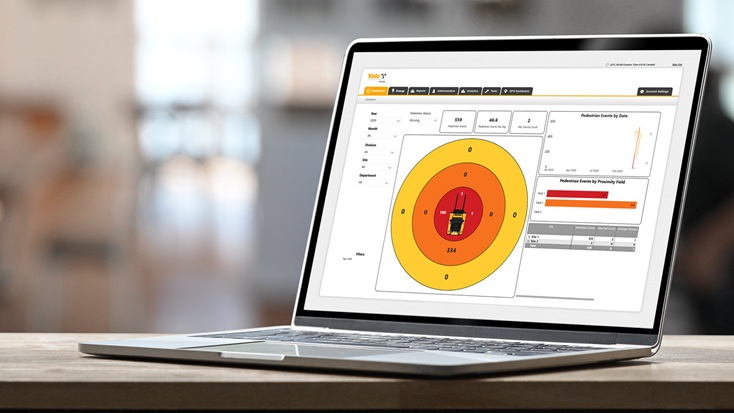
Technologies such as the Yale Reliant™ Pedestrian Awareness Camera and Yale Vision Pedestrian Detection Events Dashboard demonstrate how connected solutions can help transform operational data into meaningful insight.
If not managed correctly, technologies can often create isolated pockets of data. Managers may be able to see the effect a particular piece of warehouse equipment technology is having. However, gaining a more complete picture of activity across the operation can be far more difficult. Understanding how equipment, people, workflows, and processes interact throughout the day requires a broader view. This is where integrated and connected forklift and warehouse equipment technology is becoming increasingly important.
Data silos can make it difficult for warehouse managers to understand how equipment, people, and processes interact across an operation.
Data becomes most valuable to managers when it can be viewed in context. For example, an isolated lift truck event or incident may not reveal much on its own. But when viewed alongside machine activity, location information, operating conditions, and historical trends, it can contribute to a deeper understanding of how workflows function across the operation.
This ability to connect information is what has the potential to help warehouse operations move beyond simple monitoring and towards true operational intelligence, giving a clearer picture of how activities unfold throughout the day and identifying areas that may benefit from further investigation.
Integrated technology may improve operational visibility by combining information from multiple systems into a more complete view of warehouse activity. This can help managers identify patterns, understand workflows, and make more informed decisions.
Teams can spend less time searching for information across separate warehouse platforms and more time using that information to inform decisions. Whether reviewing workflows, evaluating operational practices, or identifying opportunities for improvement, integrated technologies can help transform day-to-day data into meaningful intelligence.
This shift reflects a broader trend across the materials handling industry, where organisations are increasingly recognising the value of connected ecosystems rather than standalone solutions.
The Yale Reliant™ Pedestrian Awareness Camera, and the Yale Vision Pedestrian Detection Events Dashboard work together through the Yale Vision™ telemetry platform.
The camera identifies pedestrians near the lift truck and captures detection events. When integrated with Yale Vision™ telemetry, those events can be viewed through the Yale Vision Pedestrian Detection Events Dashboard, providing greater visibility into activity across the operation.
Pedestrians can be identified within a range of up to five metres in the camera’s field of vision from a lift truck and provide alerts to operators when pedestrians are detected. The system was developed using extensive real-world photographic data and is designed to identify physical human features across a variety of operating conditions.
When used alongside the Advanced tier of Yale Vision Wireless Verification, data from pedestrian detection events can be brought together through the Yale Vision Pedestrian Detection Events Dashboard. This allows operations to view information including the number of pedestrian detection events, event timing, proximity, event location around the truck, and additional operational context.
Importantly, the value comes not simply from collecting this information, but from connecting it. Integrated technology offers a way to bridge the gap by bringing together information from diverse sources to create a clear picture of warehouse activity.
Ultimately, the real value of technology is not in the amount of data it generates. It is in the understanding that data can provide.
Comments are closed.