



Peak is the time of year when the microscope falls on the supply chain. The consequence of warehousing issues that can be inconsequential at other times of the year are magnified significantly and can impact heavily on an organisation’s success.
 For warehouses utilising automation to deliver the required results at this key time, peak brings about two major challenges:
• ensuring systems are ready for the season, so the anticipated increases in the volumes and variety of orders can be accommodated.
• minimising the impact of any peak downtime by reducing the prospect or duration of such an event.
In our experience of delivering peak support for our customers, there are five key ways to successfully address these challenges and give yourself the best chance of delivering what your customers expect and your business demands.
1. Ensure planned maintenance is on schedule and bring forward maintenance activities, allowing a peak programme clear of planned interruptions. Work with your maintenance provider to undertake a holistic review of your current maintenance activity and, if not already in place, build a plan that suits the needs of the operation.
2. Use data monitoring to ensure system parts are available when they’re needed and complete a full stock take prior to peak, allowing time to bring all stock holding to pre-determined levels. The correct use of IT means that parts availability should never be the reason for system downtime.
Consider using shuttles from a provider that has a pool of shuttles as part of its centralised servicing offering – replacing those that need maintaining or servicing. Our customers find that utilising our ‘float’ shuttles means no loss of throughput, even for intermittent errors when the itinerant shuttle can just be switched and checked.
3. Utilise smart technologies to carry out intrusive maintenance and inspections in a non-intrusive way. There are a number of ways in which technology can be used to inspect, identify and even resolve issues without impacting on warehouse performance. Non-intrusive vibration, visual and acoustic analysis can all be used to reduce the need to stop equipment whilst implementing maintenance activities – resulting in a minimum 20% saving in downtime.
Smart glasses, for example, enable a resident engineer to read a QR code on a motor and to bring up near real-time information on current or temperature. Thermal imaging cameras can be used prepeak to focus on electrical installation panels around the building and to identify issues not visible to the naked eye – enabling any problems to be rectified before they impact on the peak operation.
4. Use process engineering analytics to identify potential performance issues and take proactive action before issues become problems or problems become crises.
Your maintenance provider should be able to poll information from your system by component and compare the data with similar reports from their other operations. This would enable them to measure the ongoing effectiveness and estimate the anticipated life of each component and to provide early identification and fast resolution of potential issues.
5. Make sure your warehouse is always performing at its optimum. That’s easy to say, but even easier to ignore if all seems to be going well and you have other priorities that require your attention. Besides, who has the time to proactively monitor their IT and software infrastructure when there are pick rates to achieve, schedules to adhere to and a range of other issues to be dealt with on a daily basis?
But should you fail to identify and perhaps even resolve unexpected issues before they impact on the operation, what could be the ramifications for the business? Or what might be the opportunity cost of failing to maintain that optimum state?
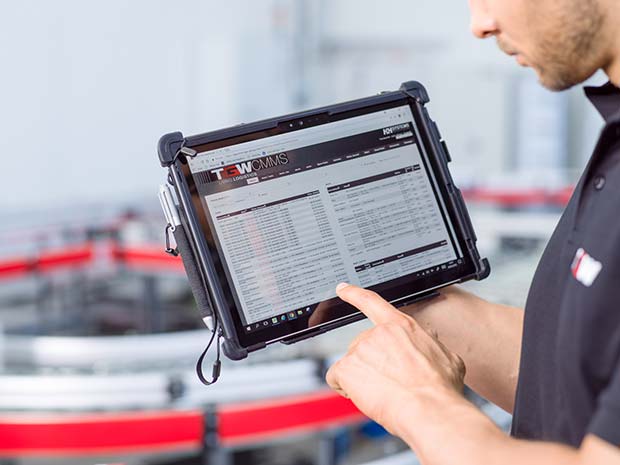
Linking your warehouse data to a centralised maintenance management system leaves your warehouse team to focus on core tasks and allows a dedicated monitoring team using online diagnostics to identify, respond to and even resolve issues and alarms remotely, before they affect the ongoing warehouse operation. Depending on the size and complexity of the automation solution and the current maintenance regime, implementing any or all of the above may well raise a number of challenges. But it doesn’t have to be that way.
Any maintenance provider worth their salt should be willing to embrace a one-team approach, working as part of your warehouse team and building and implementing a flexible and dynamic plan, which suits the fluctuating needs of the operation and allows your business to meet all the demands of the peak season.
by Nathan Goudie, Lifetime Services Director, TGW Logistics.
TGW
Comments are closed.