




Fork trucks are the workhorses of material handling operations, but managing these vehicles effectively is challenging. They are often out of sight, without effective monitoring or control. In the US, lift truck accidents are the second leading cause of fatalities in the private sector, according to the US Government’s Occupational Safety and Health Administration.
 To address these issues, the use of wireless MHE fleet management systems has become a best practice for many companies with world-class supply chains, including Caterpillar, Ford Motor Company, Nestlé, Procter & Gamble, Toyota, and Walmart. These organisations use fleet management to improve workplace safety, reduce material handling costs, and improve the productivity of their MHE fleets.
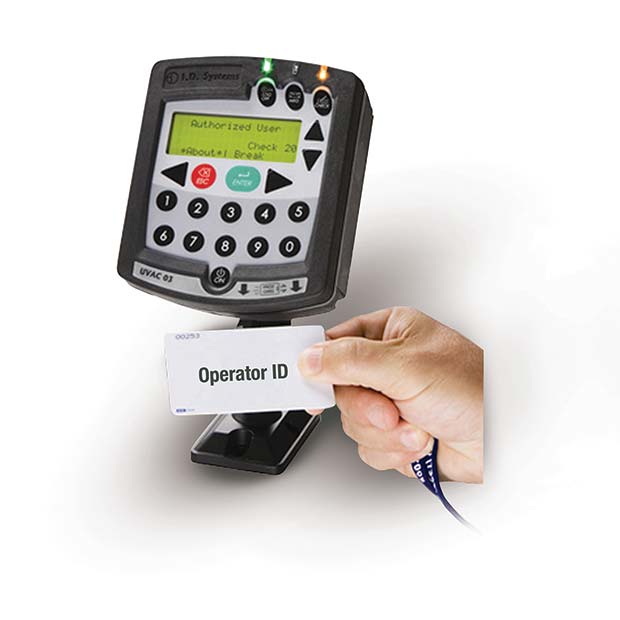
At the heart of these systems is vehicle access control. To start and operate a vehicle, employees must present their ID badges to the device installed on the vehicle. The truck unit is linked to the ignition system and will allow the vehicle to start only if the operator is trained and authorised on that piece of equipment. This accountability translates into stricter compliance with safety regulations, fewer accidents, and lower damage costs.
Another important function for safety – and maintenance – is pre-op electronic checklists, which eliminate paper-based vehicle inspections. Operators toggle through a series of multiple choice questions displayed on the vehicle-mounted device. The system reports the operator’s responses wirelessly in real time to the workshop, and can automatically lock-out a vehicle if an unsafe condition is reported.
MHE fleet management is also vital for the most efficient scheduling of planned maintenance (PM). The system reports each vehicle’s usage hours accurately and wirelessly, without human intervention, enabling maintenance personnel to schedule PMs based on actual use, rather than on calendar time.
The ability of a fleet management system to provide a true fleet utilisation analysis over time enables management to make more informed decisions about fleet size. This typically results in the elimination of existing vehicles, or the avoidance of purchasing unnecessary new vehicles.
Another major benefit of a wireless fleet management system is vehicle impact management. The cost of vehicle-related damage to buildings, goods, and the vehicles themselves is often the number one reason why organisations invest in such systems. By recording and automatically reacting to vehicle impacts, such management systems force operators to drive more safely and enable management to address safety issues. A wireless fleet management system can easily reduce the cost of MHE-related damage by 50% or more.
At the FLTA’s annual National Fork Lift Truck Safety Conference, the Managing Director of I.D. Systems EMEA, Alexander Glasmacher, will highlight the different solutions currently available on the market. He will give examples on how companies achieve quantifiable benefits from such solutions, and will provide recommendations on how to choose the right system for a specific operating environment. He will be joined in his presentation by a customer from the 3PL industry, who will outline how and why this 3PL provider uses such solutions across various UK sites.
Comments are closed.