



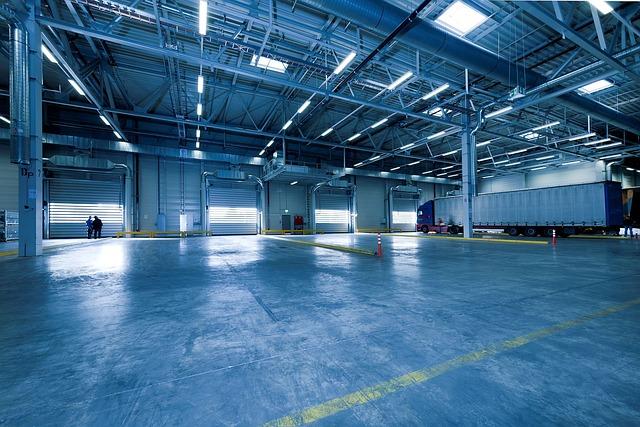
Warehousing is where you store goods that are going to be moved or sold at a later date. A distribution centre is a great example. A bonded warehouse stores items liable to VAT and import duty; payments are delayed until the items leave the warehouse. There’s also a consolidated warehouse, where smaller shipments are packed together onto trucks to reduce the number of vehicles needed.
Inventory
Warehouses have limited storage space, which makes inventory management a top priority. Companies need to ensure they have enough space to accommodate both their existing inventory and new deliveries. It is essential that workers are aware of the available space at any given time. Some products are larger than others; for example, small items like jewelry, accessories, or makeup require less space than bulky items such as slot machines or ATMs. However, many slot machines have now been moved online, such as Merkur Slots, and there has been a decline in the number of ATMs in warehouses due to the rise of online banking. Therefore, it is crucial to consider the size of the products and materials required for inventory management and stock control.
Distribution
Distribution is about ensuring the right product gets to the correct location on time. For efficient distribution, the staff involved need precise knowledge of what’s going where and when it needs to be there. When many products go to multiple places, staff must plan ahead. They need to develop the best possible route so that as many deliveries as possible are on time.
Cost Effectiveness
Warehousing practices should be as cost-effective as possible. There are simple ways to make operations cheaper and save money. A key one is maximising distribution efficiency, ensuring no unnecessary, costly journeys are made.
Warehousing can add value to a company’s expenditure by facilitating the storage of returned goods. They’re also convenient for transportation delays, as the products can stay where they are. For bigger companies like Amazon, John Deere or Tesla, having a warehouse can prove cheaper in the long run than hiring space from a facility owned by another company.
Safety and Security
People working in warehouses should undergo relevant safety training. This ensures they’re confident in handling all sorts of products and deliveries, thereby minimising the risk of accidents.
Warehouses should be secure facilities where the protection of the goods is guaranteed. Many have top-of-the-range security systems and features, along with round-the-clock staff members. Goods stored in the warehouse must be fully protected at all times. Partitions with lockable gates, wire mesh cages and CCTV are often used to keep things in place.
Conclusion
Having somewhere such as a warehouse to store goods makes logistics much more manageable. It can still be hard work, especially when there are large volumes of products to transport. Still, the role that warehouses play is invaluable. Keeping goods in a single space is a great benefit for which companies are incredibly grateful. Many businesses don’t have enough room in their facility to store products, so they rely on warehouses.
Comments are closed.