




Many companies choose to outsource some or all of their physical operations for different reasons. They often prefer to focus on their core business, especially if they do not have the expertise in warehouse management or transport logistics. They may lack the staff numbers required or the technology tools used extensively today by the specialist service providers.
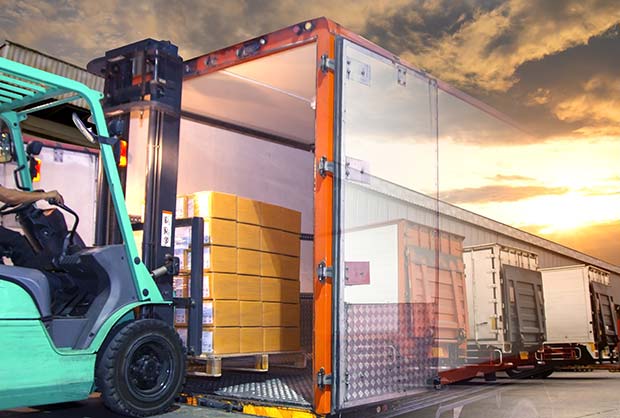 Deciding on what to outsource includes evaluating the opportunities as every business is different.
The benefits of outsourcing are:
•less investment needed in vehicles, warehouse space and specialised staff
•access to the latest technology solutions
•availability of industry expertise and best practices
•reduction of risk
•ability to deal with uneven demand and seasonal peaks
A third-party outsource logistics provider (3PL) is one option. A 3PL is set up to handle specialist consignments such as hazardous or perishable goods using a dedicated fleet. They can also handle full or part-loads and returns by combining volumes across multiple users, and parcel companies do the same for small consignments.
What services can be outsourced?
Import/Export Sea freight and airfreight services are almost always outsourced.
Who owns a container ship apart from a shipping line?
Customs clearing and freight forwarding regulations are onerous and are often subject to change. The more international and complex your flow of goods, the more important it is to rely on those with the expertise.
Road freight
General haulage companies have economies of scale and can offer attractive pricing, especially for part loads. They have fewer empty return trips as they can consolidate shipments from many customers in every direction. Specialised 3PLs can accommodate customers who require refrigeration, hazardous or liquid bulk transport. Delivery of small consignments and parcels is best outsourced to courier companies that cover short distances more frequently.
Warehouse management
Simpler warehouse operations are often outsourced for the shared user benefits. It works well if stockholding is volatile or there is rapid growth and logistics is not your core business. Large, complex picking warehouses which justify a dedicated operation can also be outsourced to gain additional expertise, access to systems and provide flexibility. Where labour is scarce a 3PL may have access to a pool of staff working on other contracts.
How to choose potential outsource partners
Before actively approaching prospective service providers there are some questions to consider.
•Do we want one provider for all our warehousing and transport logistics requirements, or do we have the capacity and ability to manage several 3PL outsource providers?
•Which service providers handle other businesses similar to ours? There are specialists in every industry sector. Do we know who they are?
•How important will we be as a client to our chosen partner?
•What type of contract do we want and for how long?
•Are there any obvious solutions?
Approaching the market
The supply market for outsource logistics services is developing rapidly due to technology solutions that did not exist even two years ago. Engaging and contracting with a 3PL is not the same as buying widgets; you are sourcing what could be an expensive and complex solution and are putting in the foundations of a potentially long-term professional partnership.
Sourcing logistics services from a third party (a 3PL) should follow basic procurement principles. Our advice is to prepare a list of your requirements, both vital and nice-to-have, that form the main part of a Request for Information (RFI) document.
Commercial arrangements and contracting
Open book contracts allow us to see into our supplier’s business and understand their pricing and margins. In its simplest form, the supplier bills the customer based on the actual costs incurred for each type of service plus the agreed margin.
In a closed-book contract service provider does not offer to divulge its operating costs, overheads and margin to you, the customer. Fees are agreed in the contract and future escalations are subject to negotiation between the parties at pre-defined intervals.
Assuming you have taken this big decision to hand over, or at least share, the control and management of some key elements in your supply chain, your involvement does not end there. Treat your outsourced 3PL as a business partner for the best results.
For further information visit www.sccgltd.com or call our head office +44 (0)1926 430 883
Comments are closed.