



Metal Shelving vs Plastic Storage Bins for Engineering Workshops
A CNC workshop may have finished components waiting for inspection, heavy fixtures beside a machine and hundreds of fasteners needed for assembly. Keeping everything in the same type of container makes little sense. Large parts need proper support, while smaller items need to stay separated and easy to identify.
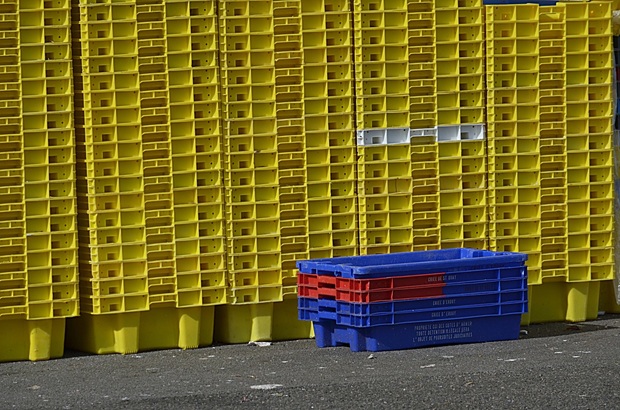
Steel shelving and plastic storage bins meet these needs in different ways. For engineering businesses choosing between them, weight, access, working conditions and floor space matter more than the number of containers a system can hold. In many workshops, the answer involves both.
How Much Weight Can Each Option Hold?
Heavy boxed components, tooling and equipment cases need more support than ordinary plastic parts bins provide. BiGDUG’s metal storage shelves come in a range of widths, depths and load ratings, so workshop managers can pick bays that suit the weight of their stock and the space available.
The BiG200 range supports up to 200kg UDL per shelf, depending on shelf width. UDL stands for Uniformly Distributed Load, meaning the weight is spread evenly across the whole shelf surface, so a 915mm-wide BiG200 shelf is rated at 200kg UDL while a 1525mm-wide shelf is rated at 90kg UDL. A heavy part resting on a small contact area creates a point load, which isn’t covered by the UDL rating and needs assessing separately, and the total bay capacity must be checked too.
Plastic bins have their own weight limits, set by the material, size and design. Where bins are stacked, the manufacturer’s stacking limits matter as much as each container’s individual capacity. For heavy, concentrated or palletised loads, neither an ordinary parts bin nor a general-purpose shelving bay should be assumed suitable without checking the loading arrangement first.
Which Is Better for Picking Small Parts?
In a fabrication workshop, a misplaced bracket can hold up an assembly job even when the replacement is sitting somewhere nearby. Open-front plastic bins help employees separate fasteners, fittings and other small components by part number.
Metal shelving gives more room for larger labelled containers, trays and boxed assemblies. Its advantage is the steel frame and the ability to store different container sizes on adjustable levels. Plastic bins offer more individual compartments, although that benefit depends on clear labels and consistent stock placement.
Workshops don’t have to pick one system. Shelving kits that come with stackable, impact-resistant parts bins keep small items separated within a steel frame, and bins with built-in label holders make it easier for subcontractors to mark part numbers and job references so components from different batches don’t get mixed up.
Which Makes Better Use of Workshop Space?
Shelving makes use of vertical space and keeps larger containers off the workshop floor. Before buying, workshop managers should measure the largest containers, check the clear width between uprights and leave enough aisle space for people and handling equipment to move safely.
Plastic bins can sit on shelves or hang from suitable wall-mounted panels. A small assembly bench may benefit from a panel of frequently used fasteners, while larger components stay on shelving elsewhere in the workshop.
Assembly differs too. Boltless shelving uses a keyhole tapping design, where studs on the shelf beams locate into slots in the uprights and are knocked home with a rubber mallet, and a standard bay goes together in under 15 minutes. Loose bins need no preparation, but panels, frames and stacked arrangements still need suitable support.
How Do Oil, Coolant and Safety Affect the Choice?
A plastic bin that works for dry fasteners may not suit every engineering environment. Resistance to oil, coolant, solvents and heat depends on the type of plastic, so check the manufacturer’s material specifications before placing bins near machinery or using them for contaminated parts. Shelving needs the right deck too: chipboard suits dry storage, while melamine and steel shelves are easier to wipe clean.
Neither system replaces proper hazardous-substance storage. Flammable liquids need storage arrangements based on the substances involved and the workplace risk assessment, as set out in the HSE’s warehousing and storage guidance, HSG76.
Shelving stability must be assessed as well. Bays with a height-to-depth ratio greater than 4:1 (a bay more than four times as tall as it is deep) need wall or floor fixing in line with the product instructions. Workshop traffic, damaged uprights and where heavy items sit on the bay also need regular checks.
When Might Each Option Not Be Right?
Plastic bins aren’t the answer for heavy fixtures, boxed tooling or anything that would exceed a bin’s rated capacity. Loose bins stacked on the floor can also block walkways and create trip hazards in a busy workshop.
Medium-duty shelving isn’t designed for palletised goods or very heavy concentrated loads, which call for heavy-duty racking. For larger commercial fit-outs, multi-tier systems or storage planned around machinery, a professional site survey and installation is the safer route.
Which Option Suits Your Workshop?
A single plastic bin costs less than a complete shelving bay, but the comparison changes once panels, frames and the number of containers are counted. This is how it tends to break down:
- Mostly small parts and fasteners: existing shelving may only need extra bins and labels.
- Heavy cartons and tooling on the floor: a properly rated shelving system comes first.
- A mix of both: steel shelving with parts bins on the lower levels keeps heavy items supported and small parts sorted in one bay.
Find the Right Storage Mix for Your Workshop
Heavy tooling and boxed components need properly rated shelving, while labelled bins keep smaller parts ready for use. Before ordering, check the weight of the items being stored, how often employees retrieve them and the space available around workstations.
Many in-stock shelving lines can be delivered the next working day when ordered before the daily cut-off, with exclusions for the Highlands, Islands and Northern Ireland. For larger fit-outs, a free site survey and CAD layout can help plan storage around machinery before anything is installed.
Comments are closed.