



For many businesses, pallets are simply something that needs to be there when required. They are often seen as a basic, functional part of logistics rather than something that can be actively managed or improved. However, with increasing pressure on costs, sustainability targets and waste reduction, the way pallets and packaging are purchased, used and managed is becoming an increasingly important part of the modern supply chain.
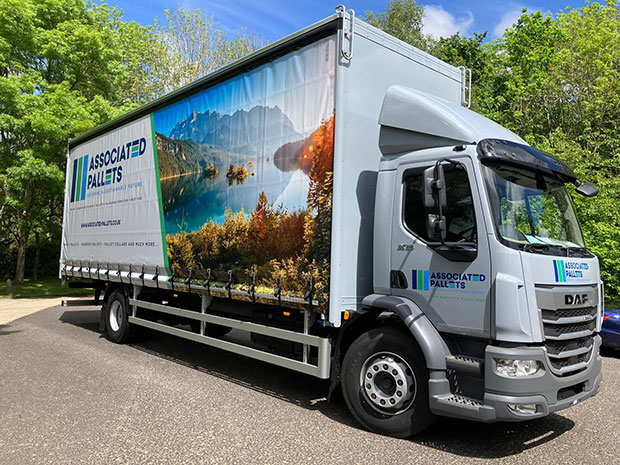
Associated Pallets has been supplying pallets and packaging products to businesses across the UK since 1992. Having worked in the pallet industry for many years myself, I’ve seen first-hand how much the industry has changed, from what was once largely a transactional supply model to the more circular and service-led approach we see today.
One thing that has remained constant, however, is the importance of providing customers with a reliable supply while keeping things as straightforward and efficient as possible.
Today, that means looking beyond simply supplying a pallet and instead considering the full lifecycle of the product.
With the introduction of Extended Producer Responsibility (EPR) and the increasing costs associated with packaging waste, businesses are becoming far more aware of what happens to packaging once it has served its initial purpose.
From the conversations we are having with customers, it’s clear that EPR, sustainability and the rising costs associated with packaging are becoming much bigger considerations. Reducing unnecessary waste and keeping packaging products in circulation for longer is no longer just an environmental consideration, but an important commercial one too.
In many cases, better pallet management can directly contribute to reduced operating costs and improved sustainability reporting.
This is where effective pallet management can make a real difference.
Where suitable, pallets can be collected, inspected and repaired before being returned to use. This process helps ensure that high-quality pallets remain in circulation for as long as possible, rather than being discarded prematurely.
Those that have reached the end of their usable life can be broken down and processed responsibly, helping to recover materials and reduce unnecessary waste going to landfill. In doing so, valuable timber and other components can be kept within the supply chain for longer.
It is an approach that makes sense both environmentally and commercially. Extending the working life of a pallet can help businesses reduce their reliance on new raw materials while also creating a more efficient and cost-effective pallet supply.
Over time, this can also help improve supply chain resilience, particularly during periods of high demand or material shortages.
Of course, there is no single pallet solution that works for every application. Different industries, load types and handling environments all have their own requirements, which is why we continue to offer a broad range of new and used wooden pallets alongside plastic pallets, pallet boxes, pallet collars and other handling solutions.
In my experience, finding the right solution is often about understanding how the pallet is actually going to be used, rather than simply looking at the initial purchase price. The right choice can improve handling, reduce unnecessary replacement and ultimately provide better value over the life of the product.
For us, sustainability is not about making the supply chain more complicated. It is about finding practical, realistic ways of supplying, recovering, repairing and reusing products wherever possible, without compromising on quality or reliability.
As EPR and other environmental responsibilities continue to develop, I believe businesses will increasingly look towards suppliers that can actively support them in making better use of the products and materials already within their supply chains, rather than relying solely on new production.
By bringing supply, collection, refurbishment and reuse together, we can help customers get more from their pallets while keeping their goods and their businesses moving efficiently and responsibly.
Comments are closed.