



Consistent, timely deliveries are fundamental to efficient manufacturing and distribution operations. The role of haulage services is central, shaping the performance and reliability of these interconnected supply chains. This article explores why dependable haulage underpins manufacturing output and distribution success in today’s evolving logistics environments.
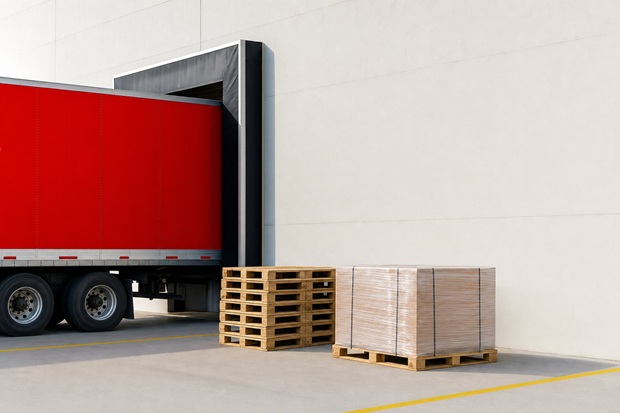 As production cycles accelerate and distribution demands increase, the effectiveness of haulage services becomes a crucial differentiator for manufacturers and distributors alike. The right haulage provider not only ensures materials and goods move on schedule, but also aligns transportation systems with production targets and inventory strategies. Reliable haulage enhances warehouse efficiency, supports just-in-time manufacturing requirements, and meets the high standards customers expect for delivery performance.
Without robust and responsive haulage solutions, manufacturing operations face delays, material shortages, and rising operational costs, while distribution networks struggle to maintain flow and service consistency. Selecting and managing quality haulage partners, therefore, has a direct impact on a company’s ability to compete and adapt in a demanding supply chain landscape.
How haulage reliability impacts manufacturing productivity
Reliable haulage is vital for keeping production lines supplied with materials while ensuring finished goods reach downstream partners or end customers without delay. When collections or deliveries are late, manufacturers may experience unplanned downtime, disrupt sequencing, or need to adjust resource allocations, issues that quickly cascade across entire operations.
Consistent haulage performance enables just-in-time (JIT) manufacturing frameworks to function smoothly, minimising inventory holding requirements and associated costs. Delays in inbound transportation can force a manufacturer to keep higher buffer stocks, while outbound failures create bottlenecks in distribution, reducing responsiveness and the ability to meet deadlines set by retailers and clients.
Beyond immediate production concerns, haulage reliability influences workforce planning and facility utilisation rates. When transportation schedules are predictable, manufacturers can optimise shift patterns, allocate labour more effectively, and maximise equipment uptime. Conversely, unpredictable haulage performance forces operations teams to build contingency plans that consume resources and reduce overall efficiency. Modern manufacturing environments increasingly rely on integrated planning systems that assume reliable transportation windows, making haulage consistency not just beneficial but essential for achieving targeted production metrics and maintaining competitive unit costs.
The role of haulage services in supporting distribution networks
In distribution, the timeliness and accuracy of haulage touch every stage, from cross-docking to final delivery. Networks built on reliable transportation are more robust to volume spikes and seasonal fluctuations, maintaining customer service standards even during periods of high demand. Poor haulage performance, by contrast, can cause missed despatch windows, product backlogs, or increased claims from damaged goods.
Haulage services with strong network reach and flexible routing options improve the coverage and responsiveness of distribution operations. By accommodating shifting order patterns and supporting last-mile delivery needs, high-quality haulage providers help distribution networks scale, adapt, and maintain customer trust.
Evaluating haulage partners for operational strength and compliance
Manufacturers and distributors must assess prospective haulage partners for more than basic capacity. Key factors include their track record for on-time delivery, safety compliance, vehicle maintenance standards, and ability to manage specialist freight types or conditions such as refrigerated cargo or hazardous materials.
Operational transparency and effective communication channels are also critical. Providers should share timely status updates, clear performance metrics, and work collaboratively to resolve exceptions. These attributes lay the groundwork for long-term partnership and allow both parties to adjust strategies as production or distribution requirements evolve.
Integrating haulage solutions with warehousing and inventory management
Seamless integration between haulage providers and warehouse operations delivers measurable benefits in stock accuracy and turnaround times. Effective coordination ensures shipments arrive and depart as planned, supporting optimal space usage, rapid cross-docking, and reduced manual handling.
Technology-enabled tracking and real-time data sharing empower warehouses to prepare for arrivals, streamline processes, and identify issues as they happen. This proactive approach strengthens the link between transport and warehouse management, driving continuous improvement and supporting business growth within manufacturing and distribution sectors.
In today’s interconnected supply chains, haulage services play an irreplaceable role in keeping manufacturing lines moving and distribution networks resilient. Focusing on reliability, capability, and strong partnership standards helps businesses optimise operations and maintain a competitive edge.
Comments are closed.