



Knowing when to use cold-formed steel or hot-rolled steel is not always the easiest thing. Wait a minute, you haven’t heard of either before? Well, then you’ve come to the right place, as you’re about to get a full analysis, with helpful comparisons. To start you off, before it gets more intricate, you need to know one key thing – both of these steel options come across as similar and that’s what makes the choice so difficult. Cold-formed steel is steel shaped more at room temperature, whereas hot-rolled steel, as you can imagine, is shaped at very hot temperatures. And whilst the end product might look similar to the naked eye, especially an untrained eye, there is quite a big difference when it comes to strength, surface finish, tolerances and ideal use cases. That’s why it’s so important for you to know the ins and outs of both of these options.
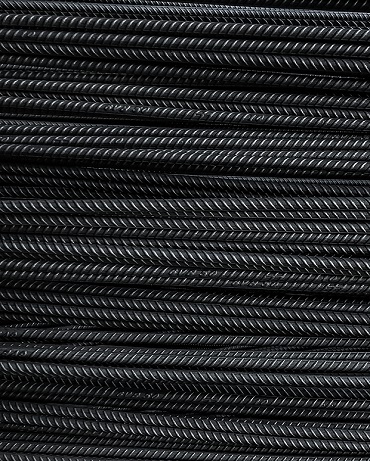 The first thing you need to understand is how each steel type is made but more detailed than outlined above. Then, you have to understand which situations are better for cold-formed over hot-rolled steel, plus you need to look into the strength, tolerance, quality and use cases for each. Think you’re ready to dive in? Great, it’s time to start.
Understanding How Each Steel Type Is Made
Hot-rolled steel is processed while the metal is red hot. This allows it to be shaped easily but results in less precise dimensions once it cools. The surface often appears rough or scaled, which is acceptable for many structural uses but may not work very well if you’re working on something more precise or delicate.
Cold-formed steel, on the other hand, starts as hot-rolled steel that is then further shaped at room temperature. This additional processing increases strength and improves dimensional accuracy. The surface finish is smoother and more consistent, making it better suited for visible or precision-based applications.
That seems pretty simple for now, right?
Situations Where Cold-Formed Steel Performs Better
Cold-formed steel excels in applications that demand precision, lighter weight and repeatable performance. Because it is shaped without heat, it holds tighter tolerances and predictable properties.
Cold-formed steel is commonly used when projects require:
- Consistent dimensions across long production runs
- Clean surface finishes for exposed components
- Lightweight sections without sacrificing strength
In these scenarios, cold-formed steel reduces the need for additional finishing or adjustment during installation. A steel manufacturer and supplier like NW Metal Sections focuses on producing cold-formed profiles that meet these exacting standards, making it easier for you to source reliable components.
Structural Strength Versus Structural Efficiency
Hot-rolled steel is often associated with strength, especially in large structural elements like beams and columns. However, cold-formed steel achieves high strength through its shape rather than its mass. The cold-forming process increases yield strength, meaning thinner sections can carry impressive loads. This makes cold-formed steel ideal for designs that prioritise efficiency. Instead of using heavy solid sections, you can use carefully designed profiles that provide strength where it is needed most. This approach often leads to material savings and easier handling on-site.
All in all, hot-rolled steel still dominates in applications requiring very thick sections or where appearance and precision are less important. Cold-formed steel shines when smart design and efficiency drive the project.
Precision And Tolerances In Fabrication
One of the biggest reasons to choose cold-formed steel is accuracy. Cold-formed components are manufactured to tight tolerances, which simplifies assembly and reduces on-site modification. This is especially valuable in modern construction and manufacturing environments where speed and consistency are critical. Precision benefits include easier alignment during installation and reduced need for cutting or reshaping.
Hot-rolled steel, while strong, can vary slightly in shape as it cools. These variations are rarely an issue in heavy construction but can cause problems in precision assemblies.
Appearance And Surface Finish Considerations
Surface finish matters more than many people expect. Cold-formed steel typically has a smoother and cleaner appearance, making it suitable for applications where the steel remains visible. This includes architectural features, interior framing and consumer-facing products. Hot-rolled steel usually requires additional finishing if appearance is important. Scaling and surface irregularities are common and may need grinding, coating or painting before use.
Cost Factors Beyond Material Price
At first glance, hot-rolled steel may appear cheaper per tonne. However, the total project cost goes beyond raw material pricing. Cold-formed steel can reduce expenses in other areas by saving time and labour. At the end of the day, you have to pick the one that works best for your needs.
Cost-related advantages of cold-formed steel include:
- Lower transportation costs due to lighter weight
- Faster installation with fewer adjustments
- Reduced waste from precise manufacturing
When these factors are considered, cold-formed steel often delivers better overall value for projects requiring consistency and speed.
Making The Right Choice For Your Project
Selecting between cold-formed and hot-rolled steel is not about choosing the better material overall. It is about choosing the right material for the job at hand. Cold-formed steel offers precision, efficiency and a refined finish that suits many modern applications.
By understanding how each steel type behaves, you can make informed decisions that improve performance and reduce complications. When accuracy, weight savings and clean presentation are priorities, cold-formed steel is often the smarter option. But again, the choice is completely up to you. Pick the steel manufacturer or steel fabricator that you feel works best for your needs.
Comments are closed.