




Warehouses are one of the most important but often most overlooked parts of the UK economy.
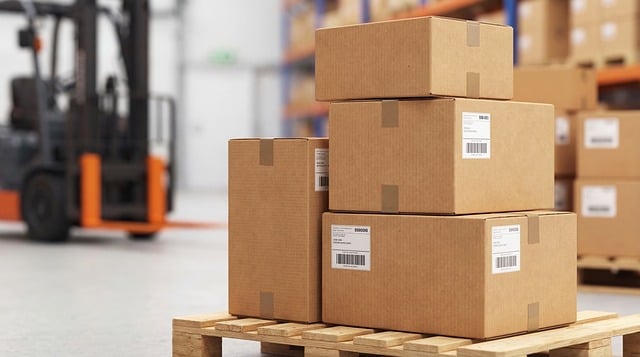
Every product that reaches a shop shelf, a restaurant, a hospital or a customer’s doorstep has usually passed through a warehouse somewhere along the way.
From storing stock to coordinating deliveries and managing distribution networks, the warehousing sector plays a key role in keeping supply chains running smoothly across the UK. Retailers, manufacturers, wholesalers and e-commerce brands all rely on these facilities to move stock efficiently across the country.
But despite this, many businesses in the sector say the industry does not always receive the recognition or support it deserves from policymakers.
Rising costs are putting pressure on the sector
Like many industries, warehouse companies are dealing with an increase in operating costs.
Energy prices, staffing, transport and property costs have all risen in recent years, making it more expensive to run large distribution facilities.
Now, changes to business rates due to come into effect in April 2026 could add further pressure.
Following the latest revaluation, warehouse rateable values have increased significantly across the UK. The increase reflects strong demand for logistics space as e-commerce continues to grow and businesses invest in faster delivery networks.
On top of this, a new “large property supplement” will apply to higher value commercial properties, meaning some warehouse companies could see further increases in their rates bills.
While transitional relief has been introduced to soften the impact of the changes, many in the sector believe more could be done to make sure these businesses remain competitive.
Why the warehousing sector matters more than ever
The growth of online shopping and faster delivery expectations means warehousing has become more important than ever.
Modern supply chains rely on strategically located distribution hubs that allow goods to be stored, processed and delivered quickly. Without this, retailers and businesses would struggle to meet consumer demand.
A spokesperson for SFI Logistics says the role of warehousing businesses in supporting the wider economy should not be underestimated.
“Warehousing businesses are a key part of the UK economy. Every product that reaches shops, businesses or households has passed through warehouses somewhere along the supply chain.
“These businesses help keep goods moving every single day, supporting retailers, manufacturers and e-commerce companies across the country.
“As costs continue to rise, it is important that the government recognises the value of the warehousing sector and makes sure that these businesses are supported so they can continue to operate, invest and grow.”
The impact goes far beyond logistics
What happens to the warehousing sector does not stay within the logistics industry. Rising costs for warehouses can ripple through the entire supply chain.
When storage, fulfilment and distribution become more expensive, those costs often work their way through to the businesses that rely on these services. In many cases, that ultimately means higher costs for retailers and consumers too.
Because of this, industry leaders say supporting warehousing is not just about protecting logistics companies. It is about protecting the infrastructure that allows businesses across the UK to trade, grow and operate efficiently.
A sector that needs recognition
As supply chains continue to evolve and consumer expectations grow, the importance of a strong warehousing sector will only increase.
For many warehouse companies, the hope is that policymakers will begin to recognise the role the industry plays in the wider economy and take steps to make sure it stays supported in the years ahead.
Comments are closed.