



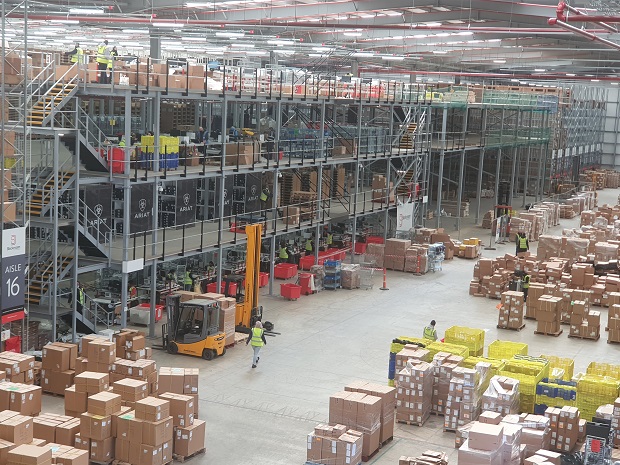
Most people working within the logistics industry recognise the hazards in a warehouse. Heavy loads are held at height, aisles are busy with forklifts and mechanical equipment, and employees are constantly moving around. There are risks associated with trips and falls, incorrect manual handling, and falls from height, particularly with racking above workers’ heads. It doesn’t take much for an accident to happen.
 While warehouses follow HSE guidance that manages workplace safety, many don’t realise there are also specific regulations that apply to racking.
 As the leading voice on racking safety, the Storage Equipment Manufacturers Association (SEMA) looks at the racking regulations you should be following.
What are racking legal requirements?
When it comes to racking, there are two specific regulations to follow:
- HSG76 Warehousing and Storage: a Guide to Health and Safety covers manual and mechanical handling, site transport and working at height. It also outlines the key stages to follow to ensure your racking is safe.
- SEMA Codes of Practice have been developed to cover the design, installation and ongoing use of storage equipment so they conform to quality standards and safety requirements.
While not a legal requirement, HSE can use HSG76 and SEMA Design Codes frameworks as the basis for enforcement action.
How do you stay racking compliant?
Making sure your racking meets regulations and industry standards follows a measured process which must continue over the lifetime of the structure.
HSG76 and SEMA Codes recommend the following:
- Design
Racking is an engineered structure which must be designed to meet precise tolerances that allow it to safely hold heavy loads and ensure it’s suitable for its intended purpose.When designing your racking, suppliers should conform to either SEMA Design Codes or EN 15512. Both are industry-acceptable standards which instruct on the structural analysis of racking, what types of loads to consider, how to test components and what safety factors are required when designing equipment.
- Racking Installation
The installation of racking is often overlooked, yet it only takes an incorrect floor fixing or a wrongly positioned component to significantly impact its structural integrity. It’s for this reason that HSG76 states racking must be erected on sound, level floors and installed by ‘competent’ people in accordance with the manufacturer’s instructions.Although businesses must use trained teams to meet HSG76 requirements, there is no industry standard, and many still ‘learn on the job’. To provide a benchmark, SEMA created the SEIRS training programme. The two-part, assessed course instructs on the correct installation to SEMA standards. SEIRS is also referenced in HSG76.
- Racking Usage
Once in place, the racking must be kept in good working order. HSG76 recommends nominating a ‘person responsible for racking safety’ (PRRS)’ who is responsible for ensuring you meet your legal requirements.They will take responsibility for checking that rack inspections are conducted, maintaining records, analysing where regular incidents happen and implementing required actions. They will also ensure repairs are actioned.
- Inspection
HSG76 recommends a three-tiered approach to racking inspections:
- Immediate – train anyone working in areas with racking on how to recognise and report racking damage.
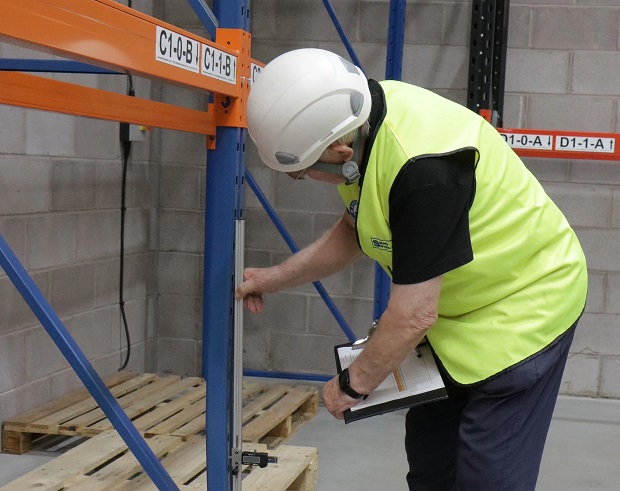
- Visual – nominated employees will undertake regular Visual Inspections, which will identify damage and ensure that correct loading procedures are followed. Before taking on the role, they must attend training such as SEMA’s Rack Safety Awareness course (referenced in HSG76). This course also trains for the role of the PRRS.
- Expert – at least once a year, an Expert Inspection must be conducted by a qualified professional, such as a SEMA Approved Racking Inspector (SARI). This inspection is a detailed examination of the racking to identify whether structural damage is present.
If you’d like more advice about meeting your racking requirements, visit www.sema.org.uk.
Comments are closed.