




When you work on locations that could be a hazard for your security, you may have to wear safety shoes to protect your feet, as well as other clothes and gears for the rest of your body. The requirements may be different according to your job and where your work takes you. In this article, we will focus on how to choose your next safety footwear, to best protect your feet.
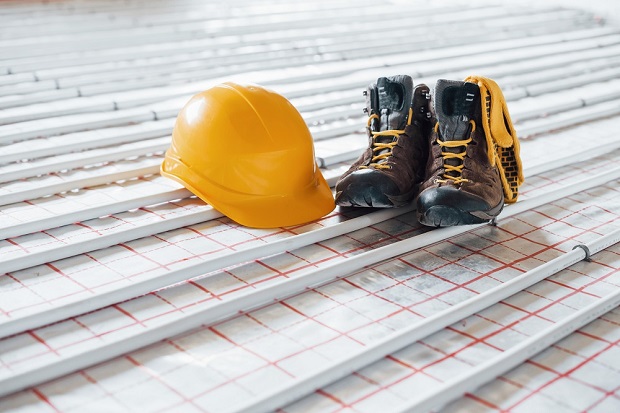 Why Wear Safety Footwear?
You may not know that but 7% of the injuries that happen in the workplace are related to a foot. Therefore, you need to make sure to wear durable safety shoes from retailers such as EngelbertStrauss, if you don’t want to become a part of the statistics. When you start working a new job, the employer will usually tell you which workwear is required that will include information on safety footwear, as well. In most cases, it will imply toe protection, but there are also particular cases that can apply, such as wearing ESD shoes, when someone is working around electronic components, in order to protect against electrostatic discharges. Countries often have different regulations, which will also have to be followed accordingly.
What to look for in New Safety Shoes?
There are various characteristics in safety footwear that you may be looking for. It will greatly depend upon your work environment. Will you be working outdoors or indoorss? Are you working on a construction site, helping to raise a building? These are questions that need to be looked at, in order to know which qualities your safety shoes will need to have. As an example, if you work outside, your shoes should be treated in order to be waterproof. On a building site, your footwear will need toe protection but also anti-perforation, in case you walk on a trenchant object.
It will also depend upon the level of protection that you require. Normally, safety shoes will resist an impact of 200 joules. But you may need more, if you are at a higher risk. Those working in industrial conditions, where the floor could be wet or greasy, will need an anti-slip, and the sole may also have to be hydrocarbon resistant. Then, there are special cases that will necessitate a fire retardant or an anti-abrasion to be inserted into the material of the footwear.
Comfort is of utmost importance, but it will have to be determined first, if you can wear low shoes or if you need boots or high shoes. Once that is done, the material can be chosen according to certain restrictions. If you work in the rain, polymeric materials will be used instead of leather, to make the shoes waterproof. Whenever possible, it is better to use light shoes, so that you don’t get tired. But sometimes, a higher toe protection will be needed, making them heavier, yet necessary.
In the end, it is important to choose the shoes that will fit best, as long as they possess the specificities requested for the work that you do. Thankfully, companies such as Engelbert Strauss, offer a large variety of safety footwear, so you should be able to find one in the style.
Comments are closed.