



Charlotte Hardy, Content Marketing Manager, Macfarlane Packaging: With an increasing number of UK ecommerce businesses turning to third-party logistics (3PL) for fulfilment, logistics businesses are under pressure to deliver more efficiently and cost effectively than ever before. Against a backdrop of UK labour shortages and raw material price increases, this is becoming increasingly challenging. Add to this consumer frustrations with long shipping times (26% online shoppers will abandon a purchase if shipping takes too long) and unforeseen spikes in demand, it can be tricky for 3PLs to maintain optimal productivity.
 So, how can logistics businesses become more efficient and future-proof their operations?
Packaging and packing processes should be critical considerations for all 3PL companies looking to future-proof their businesses and drive operational improvements. In fact, packaging materials influence productivity across multiple areas in a supply chain from goods in handling and storage through to labour requirements, pick, pack and dispatch, and onwards transport to consumers.
When it comes to getting the basics right, it’s essential that logistics teams are given appropriate training to make sure operations run smoothly and that goods reach customers in pristine condition. Providing staff with clear instructions about what packaging to use for which SKU might sound simple, but it can make a big difference. Implementing best practice workshops and introducing shadow boards are easy ways to achieve this and ensure packaging standards are met consistently, even in the face of future staff turnover.
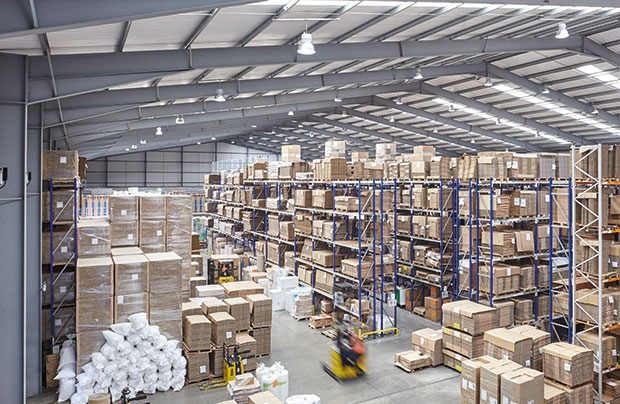
Another consideration for logistics businesses looking to future-proof and maximise efficiency should be warehouse layout. While short-term changes like using temporary pick bins can be useful for flexing space and coping with spikes in demand, they may not be viable long-term. Re-organising warehouse space, including packing benches and storage can transform efficiency. This could include introducing conveyor systems to speed up movement between different packing areas, re-designing pack benches so materials are kept in the “power zone” (no higher than shoulder height) facilitate faster packing speeds or even revising racking for better storage.
For logistics companies that deal in high volumes, packaging automation is an additional way to increase productivity and future-proof for growth or spikes in demand. For example, auto-boxing machines measure products and adjust the size of the box, folding and sealing it ready for dispatch. This drastically reduces pack time and increases throughput. Using automated packaging systems can also help logistics companies reduce the need for seasonal labour, as fewer packers are needed due to efficiency improvements. Packaging automation can also reduce pack cubage, which can contribute to lowering courier costs or reducing a logistics companies own fuel usage.
Macfarlane Packaging works closely with third-party logistics companies to help them transform their supply chain efficiency through packaging. For more information, visit www.macfarlanepackaging.com.
Comments are closed.